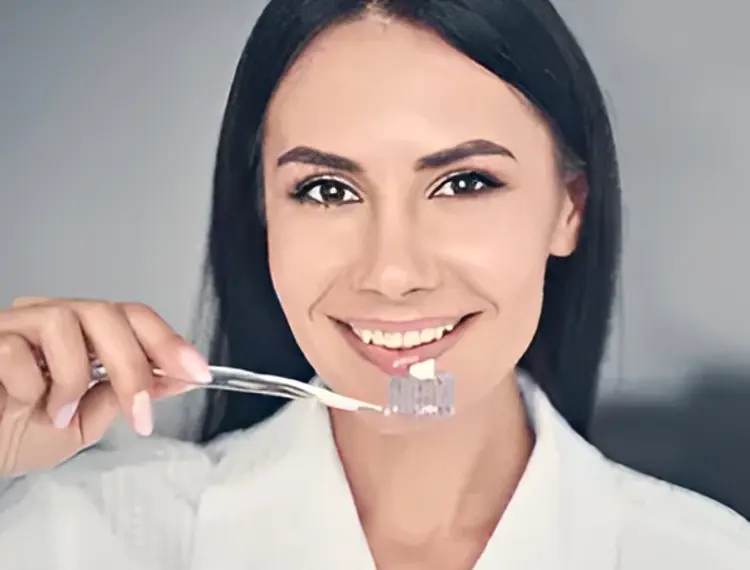

Toothpaste is an important part of brushing your teeth. Toothpaste has ingredients that can help protect our teeth. In Australia, toothpaste for children under 6 years has less fluoride than toothpaste for older children and adults.
0 to 18 months
Children do not need to use toothpaste when brushing.
18 months to 6 years
Use a 'children's' toothpaste that has fluoride as an ingredient. These toothpastes have less fluoride than toothpastes for older children and adults. They have 500ppm of fluoride. They are available in flavours your child will like, such as strawberry.
Only put a smear of toothpaste on the toothbrush. Pushing the paste into the bristles can help keep the toothpaste on the brush. A lump of paste placed on top of the bristles can fall off easily. Have your child should spit out the excess toothpaste but not rinse their mouth with water after brushing.
Children over 6 years and adults
Use a toothpaste that has fluoride as an ingredient. Different toothpastes will have different amounts of fluoride. The amount of fluoride ranges from 1000 parts per million (ppm) to 1450ppm.
If you have severe tooth decay or are at high risk of tooth decay, your dentist may recommend that you use a toothpaste with a higher amount of fluoride. You may have a higher risk if you have:
braces
a diet high in sugar or acid
difficulty brushing your teeth e.g. arthritis of the wrist, or other disability
a dry mouth, or low amounts of saliva
no access to fluoridated water.
Put a pea-sized amount of toothpaste on your child or your toothbrush.

Keep your
smile for life
At Teeth.org.au we pride ourselves on the quality of our articles, so you get the latest up to date oral health information.
All articles are thoroughly researched and reference high-quality studies and information to support the subject matter.

Our experts continually monitor the oral health space. As research and recommendations change or we get reader feedback, we update the information in our articles.