
Key messages
Sugar replacement options such as xylitol and stevia are sweeteners.
These sweeteners do not cause tooth decay.
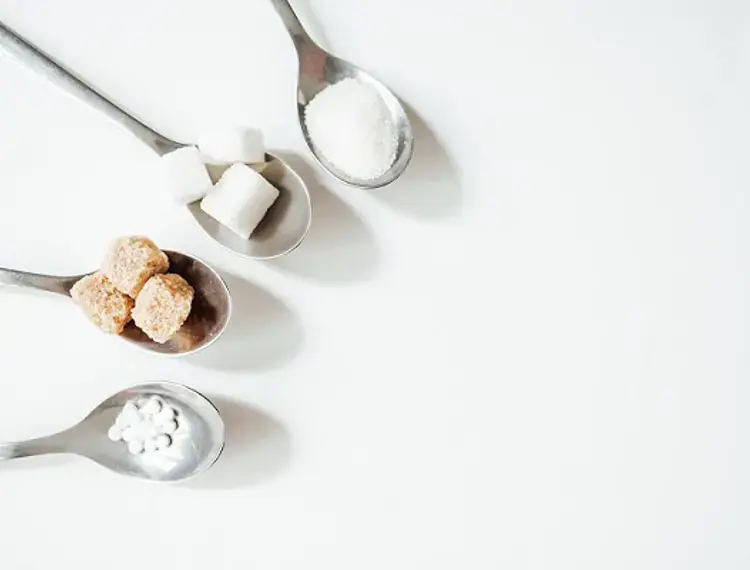
Sugar replacement options such as xylitol and stevia are sweeteners.
These sweeteners do not cause tooth decay.
It is a common misconception that raw sugar is more natural and nutritious than brown sugar. But the only difference is the way they are made. Raw sugar is not refined as much as brown or white sugar. Brown sugar is made from white sugar crystals mixed with molasses. Similarly, some people suggest coconut sugar is more natural, but it is 93% sugar. When it comes to your teeth and causing tooth decay, it is the same as raw, brown, and white sugar.
It is common to see recipes labelled as refined sugar free as white, brown, or raw sugar ingredients are swapped with ingredients such as dates, coconut sugar or rice malt syrup. These ingredients are often just another form of sugar that provides little to no nutritional benefits. They can also increase your risk of developing tooth decay.
Dates are a common replacement for sugar in recipes. But do you know that 1 date has 16 grams of sugar? Dates are a good source of fiber but their high sugar content and stickiness which can contribute to tooth decay.
Other sugar alternatives include syrups such as maple syrup or rice malt syrup. They are also very high in sugar and can increase your risk of developing tooth decay.
While replacing white, brown or raw sugar with a possible healthier alternative, sounds good. A lot of other options are still high in sugar. They also increase your intake of free sugars and your risk of developing tooth decay. The sugar molecules in a tablespoon of honey are not superior to the sugar molecules found in a tablespoon of white sugar. To protect your teeth, you need to focus on the total amount of sugar you have. Try to have only 6 teaspoons or 24 grams of sugar per day. This is why it is important to read and understand the Nutrition Information Panel on foods and drinks.
Sugar replacement options such as xylitol and stevia are sweeteners. These sweeteners do not cause tooth decay. In fact, there is scientific research that shows that the xylitol can prevent bacteria that causes decay from growing.
Using an artificial sweetener to make a sweet treat does not mean you should eat, or drink more than if you used sugar. It also does not mean you can have more sugar in other foods or drinks.
Keep your
smile for life
At Teeth.org.au we pride ourselves on the quality of our articles, so you get the latest up to date oral health information.

All articles are thoroughly researched and reference high-quality studies and information to support the subject matter.

Our experts continually monitor the oral health space. As research and recommendations change or we get reader feedback, we update the information in our articles.